There is no single best time to visit Gran Canaria; guides that name one answer different questions. For hot beach days and the warmest sea, go between July and October. For mild winter sun, go between November and March. For hiking, go in spring. Then check the calendar: Las Palmas Carnival runs from 22 January to 28 February 2027, and the island's big festivals and school holidays move prices more than the weather does.
Why do guides disagree on the best month?
Because they are optimising for different holidays. Some tour operators point to spring as the comfortable season, others to July to September as the hottest, and others to November to March as the mild escape from a northern winter. All three are right for the traveller they have in mind.
The island's climate is the reason this is possible. The southern resort coast is dry and sunny all year, and even the coolest months bring daytime highs of around 20°C. Our Gran Canaria weather by month guide has the full table of air and sea temperatures, rain and sunshine; this page is about everything the table cannot tell you.
| If you want | Go | Watch out for |
|---|---|---|
| Hot beach days, warm sea | July to October | School-holiday prices in summer |
| Winter sun from northern Europe | November to March | Cooler sea, busier Christmas |
| Hiking and the interior | March to May | Easter crowds and prices |
| Carnival and nightlife | February | Las Palmas hotels sell out |
| The quietest, cheapest weeks | Late spring, early autumn | Check local festival dates |
What happens in Gran Canaria month by month?
Weather barely changes the south coast from one month to the next. Events do, and they are what fill hotels.
- January to February: Las Palmas de Gran Canaria Carnival, dedicated to music in 2027, runs from 22 January to 28 February 2027
- Late February: The North Face Transgrancanaria, the island's ultra-trail race, runs from 24 to 28 February 2027
- March: Maspalomas Carnival follows the capital's, with event listings giving 2 to 14 March 2027
- May: Maspalomas Pride fills Playa del Inglés, centred on the Yumbo Centre; it ran from 4 to 10 May in 2026
- 4 August: Fiesta de la Rama in Agaete, a festival of national tourist interest, when crowds dance through the streets carrying branches
- 7 to 8 September: pilgrims walk overnight to Teror for the Fiesta del Pino, one of the island's most important religious festivals, on 8 September
- November: Winter Pride in Playa del Inglés, listed for 2 to 8 November 2026
If one of these is the reason for your trip, book accommodation months ahead. If you want a quiet week, check the dates and avoid them, particularly Carnival in Las Palmas and the Pride weeks in Playa del Inglés.
When is Gran Canaria busiest and most expensive?
School holidays drive prices more than the weather does. The busiest weeks are the Christmas and New Year fortnight, February half-term, Easter and the summer holidays, when families from the UK and northern Europe travel at the same time.
Winter is a busy season for sun-seekers escaping colder countries, and summer adds family holidays from Spain and the rest of Europe. The quieter windows tend to be late spring, after Easter, and early autumn, once schools have gone back.
What is the best time for beach days and swimming?
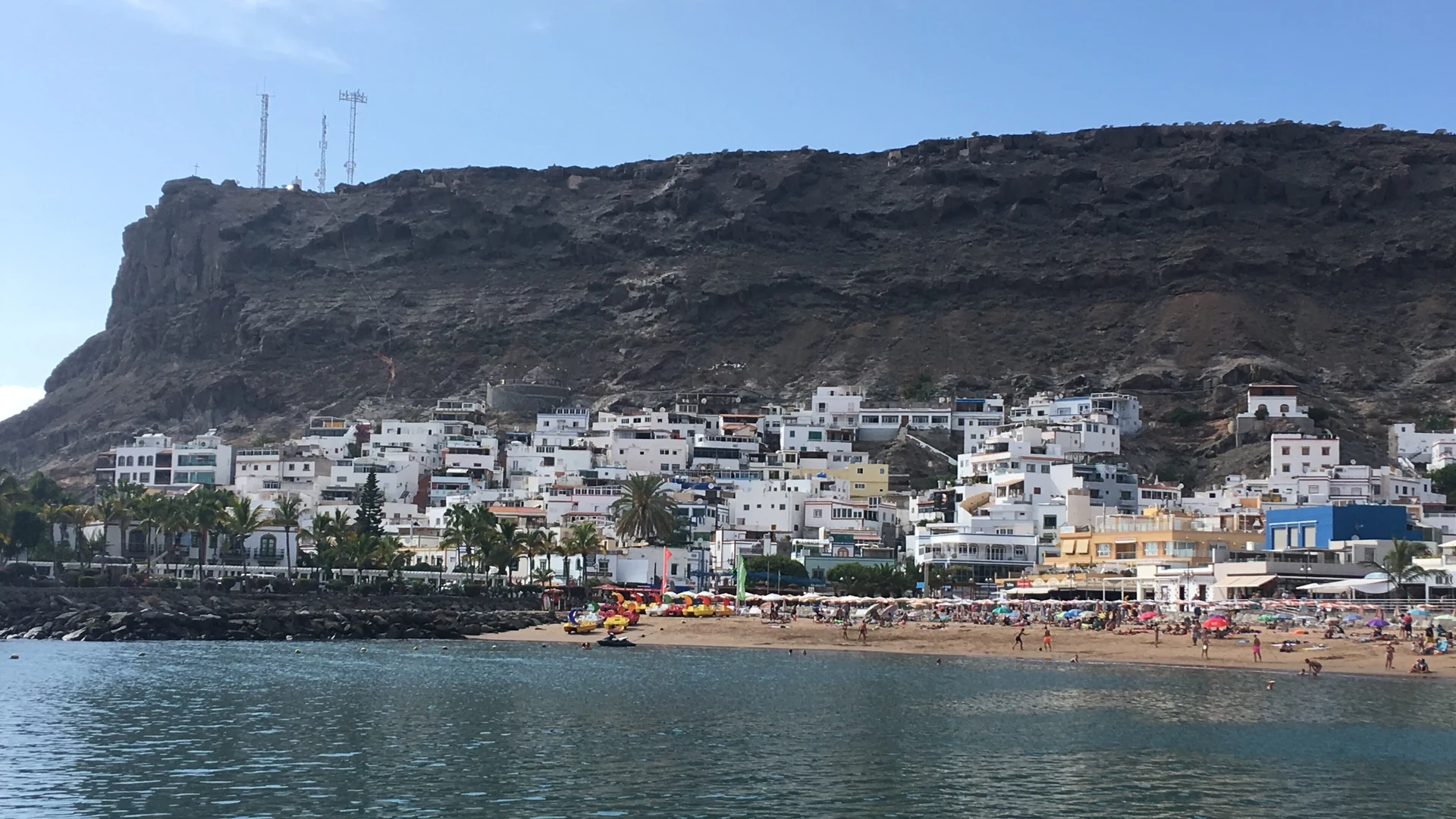
Late summer and early autumn. The sea around Gran Canaria is warmest from August to October, which is when swimming, snorkelling and diving are most comfortable. July and August are also the hottest, driest months, with the busiest beaches.
If swimming matters but crowds do not suit you, September and October give the same warm water with more space. For where to swim, our best beaches in Gran Canaria guide matches each beach to the kind of day it suits.
What is the best time for hiking and sightseeing?
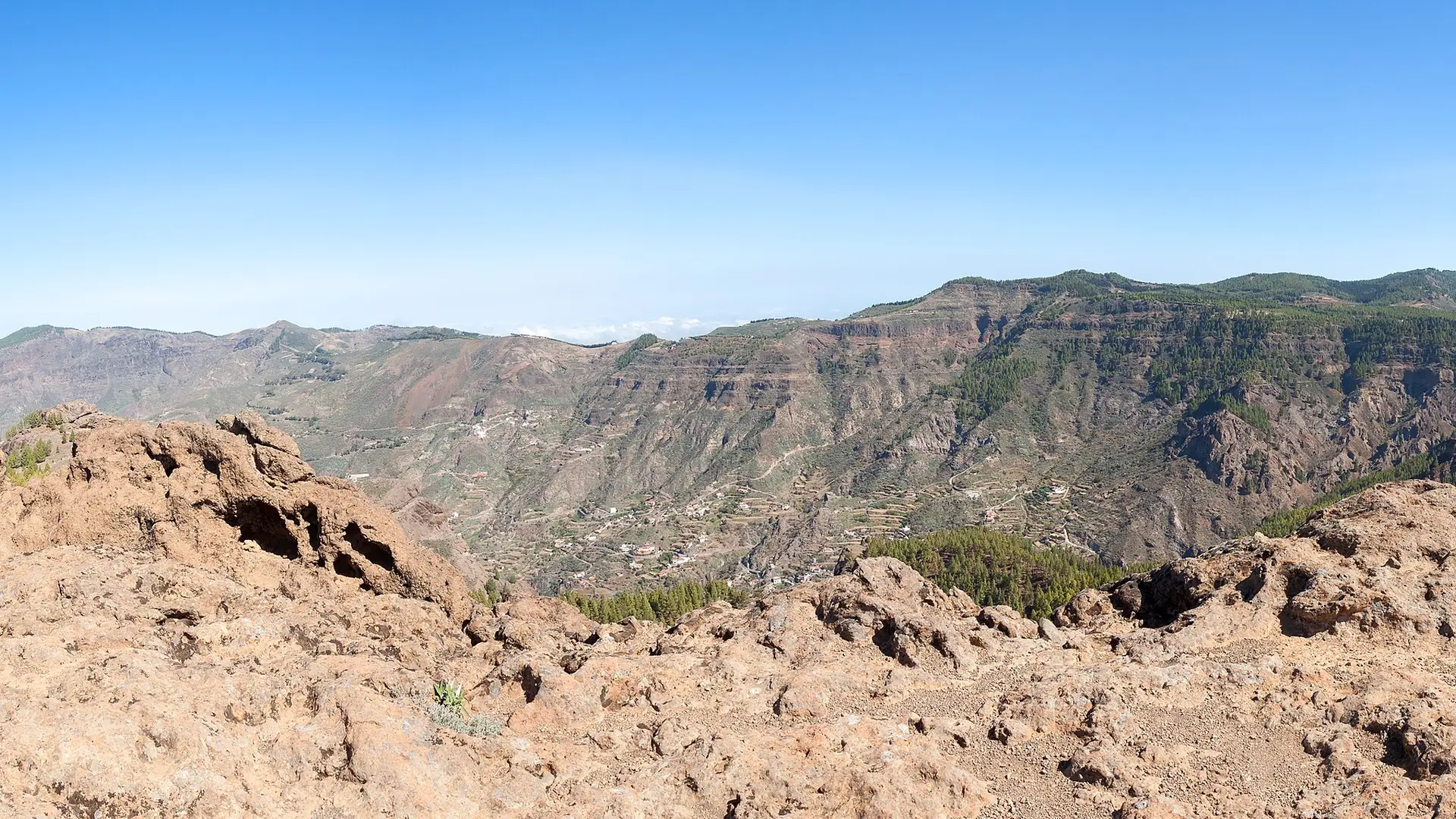
Spring, from March to May, when the air is cooler and walking in the interior is more comfortable than in summer. Trails and mountain roads are easier without summer heat, which suits a day at Roque Nublo or in the villages of the north.
Winter also works for walking on the coast, but the interior is noticeably cooler and cloudier than the resorts. If Roque Nublo is on your list, remember that the main trail now needs a free timed booking; our Roque Nublo hike guide explains how it works.
Putting a full trip together? Our 3-day itinerary sets out what fits and what to skip.
Is Gran Canaria on a "no-go" or no-fly list?
No. The headlines refer to Fodor's No List 2026, an annual editorial feature by the travel publisher Fodor's that named the Canary Islands, including Gran Canaria, among destinations to reconsider because of overtourism, housing pressure and environmental strain.
It is not an official travel advisory, a flight ban or a government warning, and Fodor's itself says the list is not a call for a boycott. The background is real: residents across the islands have marched under the slogan "Canarias tiene un límite" ("The Canaries have a limit"), and visiting outside the peak weeks eases the pressure as well as the prices.
Does the six-drink all-inclusive rule apply in Gran Canaria?
No. The "six-drink rule" is a Balearic Islands regulation introduced in 2020 that limits all-inclusive guests to six alcoholic drinks a day, three with lunch and three with dinner, in specific party resorts: Magaluf, Playa de Palma and El Arenal in Mallorca, and the West End of San Antonio in Ibiza.
It does not apply to the Canary Islands, including Gran Canaria. All-inclusive hotels here set their own drinks policies, so check the inclusions of the hotel you book; our all-inclusive resorts guide compares the island's main options.
FAQ – the best time to visit Gran Canaria
Featured image: Erick050522 / Wikimedia Commons / CC BY-SA 4.0