Tenerife has no bad month, which is exactly why the question is harder than it looks. The south coast never averages below 22°C and never above 28.6°C, so you are not choosing between good weather and bad. You are choosing between crowds, sea temperature and the price of a room.
On that basis three months win clearly: May, June and September. Each gives you daily highs in the mid-twenties, effectively no rain, and a fraction of August's crowds. September adds the year's warmest sea at 24°C, which makes it the single strongest month if swimming matters.
Why September edges it
The sea is the tiebreaker. The Atlantic lags the air by roughly two months, so it keeps warming after the peak of summer and September's 24°C is the warmest water of the year, ahead of August's 23°C and well ahead of June's 21.5°C.
Air temperatures are barely down from the peak, at an average high of 27.9°C. Rainfall is still almost nothing at 5mm. And the school holidays across most of Europe have ended, which changes the resorts noticeably from the middle of the month.
May and June are the other side of the same trade: slightly cooler air, a cooler sea at 20.5 and 21.5°C, and the driest conditions of the year at 0mm of recorded rainfall in both. If you want space and walking weather more than swimming, they are the better pick.
By what you actually plan to do
The right month depends less on the calendar than on your itinerary.
- Beach and swimming: July to November, peaking in September when the sea hits 24°C
- Walking and hiking: December to March, when the coast is mild and the higher ground is not punishing
- Whale and dolphin watching: any month, because the pilot whales here are resident rather than migratory
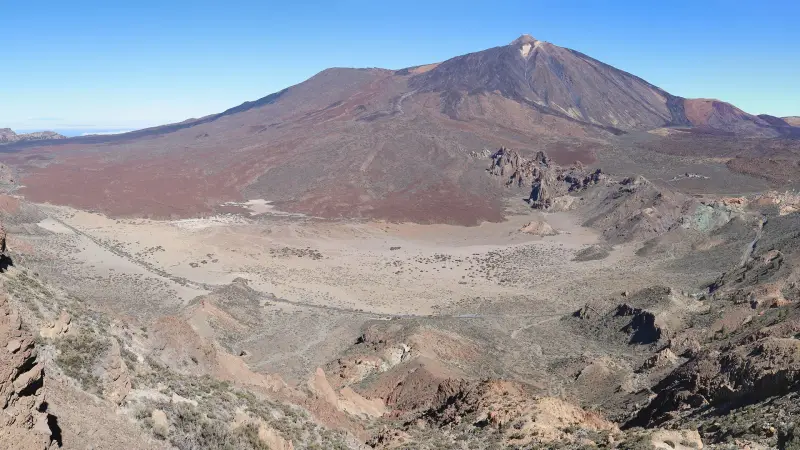
- Teide and stargazing: clear winter nights are excellent, but expect cold and possible snow closures
- Diving: July to November for the warmest water, though it runs year-round
That whale point is worth stressing because it removes a variable most destinations impose. Our whale watching guide explains why the population does not migrate, which means no month is wrong for it.
August, honestly
August is the most-booked month and it is not the best one. Average highs of 28.6°C are pleasant rather than extreme, so the heat is not the problem. The volume is.
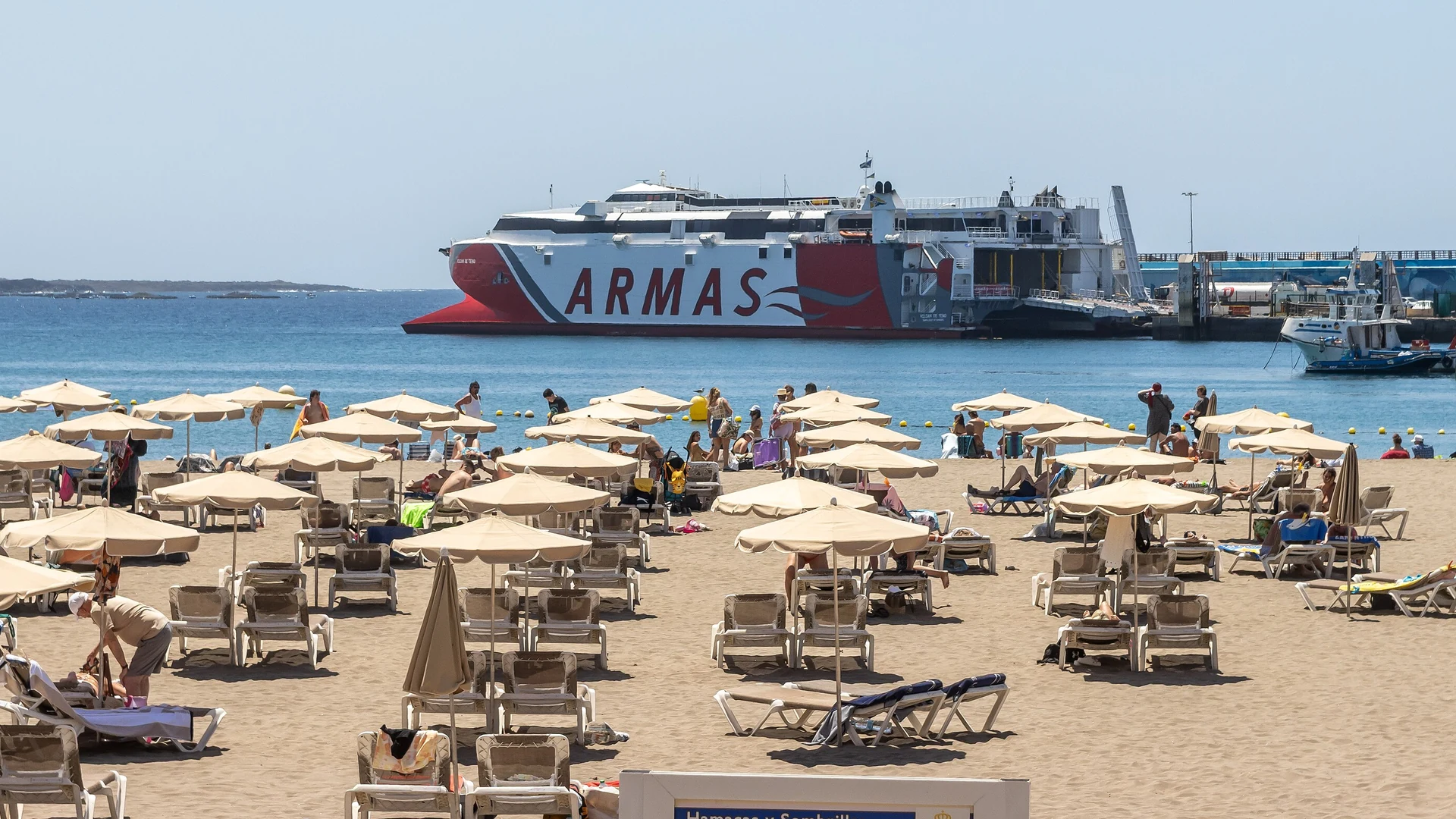
Beaches fill, the popular restaurants stop taking walk-ins early in the evening, and hire cars and accommodation both price accordingly. You are paying peak rates for weather that September delivers with a warmer sea and more room.
If August is when your holidays fall, it still works, and the island absorbs crowds better than most Mediterranean destinations because the resorts were purpose-built for volume. Just book further ahead than you would otherwise.
Winter, and the decision the mountain makes for you
Winter is Tenerife's other strong season, and it is a different holiday: mild rather than hot, excellent for walking, and cheap by comparison with summer.
The catch is that winter sharpens the north-south split more than any other season. In January the south averages around 22°C by day while the northern coast sits nearer 16–20°C, frequently under cloud. In summer that gap narrows; in winter the cloud and rain, more than the temperature, decide your holiday.
That is a booking decision rather than a weather one, and the where to stay in Tenerife guide works through the rain shadow that causes it and which coast suits which trip.
December is the wettest month at 30mm, which by European standards is still a dry month. Nobody should avoid Tenerife in winter on rainfall grounds; they should simply book the south.
February: the weakest weather, and the best party
On the numbers, February is the least attractive month: the coolest sea of the year at 19°C, modest sunshine at 7.5 hours a day, and the second-highest rainfall.
It is also Carnival, and that changes the calculation entirely. Santa Cruz de Tenerife stages one of the largest carnivals in the world, and Puerto de la Cruz runs its own celebration alongside it. If that is why you are coming, the weather is beside the point and you should book accommodation months ahead.
Carnival is not the only February date on the island. Candelaria stages its Procession of the Candles at the very start of the month, a smaller and far stranger event that the Candelaria guide sets out alongside the town's much larger summer pilgrimage.
Come in February for the carnival or for cheap winter walking. Do not come in February for the beach.
Crowds and prices, in order
Roughly, and useful for planning:
Busiest and priciest: August, Christmas and New Year, Easter, and Carnival week in February. Quietest: late January into early February outside carnival, and November. The sweet spot: May, June and the second half of September, when the weather is at its best and the schools are not out.
The full month-by-month figures, including sea temperatures and rainfall for all twelve months, are in our Tenerife weather by month guide. For what to fill the days with once you have picked your dates, the things to do in Tenerife guide covers the island's headline attractions and which need booking ahead.
Comparing islands rather than months? Our guide to the best time to visit the Canary Islands compares the islands side by side.
FAQ – when to visit Tenerife
Featured image: Diego Delso / Wikimedia Commons / CC BY-SA 3.0