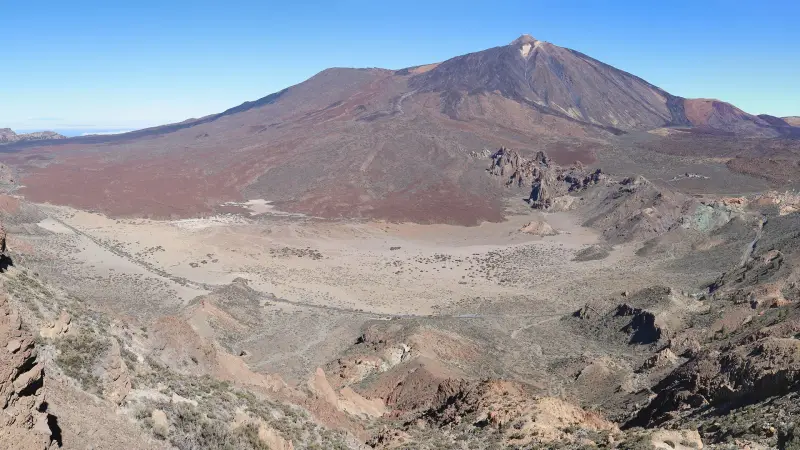
Tenerife's problem is not finding something to do. It is that the island's four headline attractions sit in four different places, and two of them cannot be walked into on the day – the Teide cable car sells timed slots that run out, and the Masca ravine has needed an advance booking since 2025.
Book the cable car and the ravine before you fly; the parks you can walk into on the day. Get that order wrong in August and the volcano is the thing you lose. Every price, permit rule and opening time below was checked against the operators' own pages on 17 August 2026.
Mount Teide: the cable car, and the permit it does not include
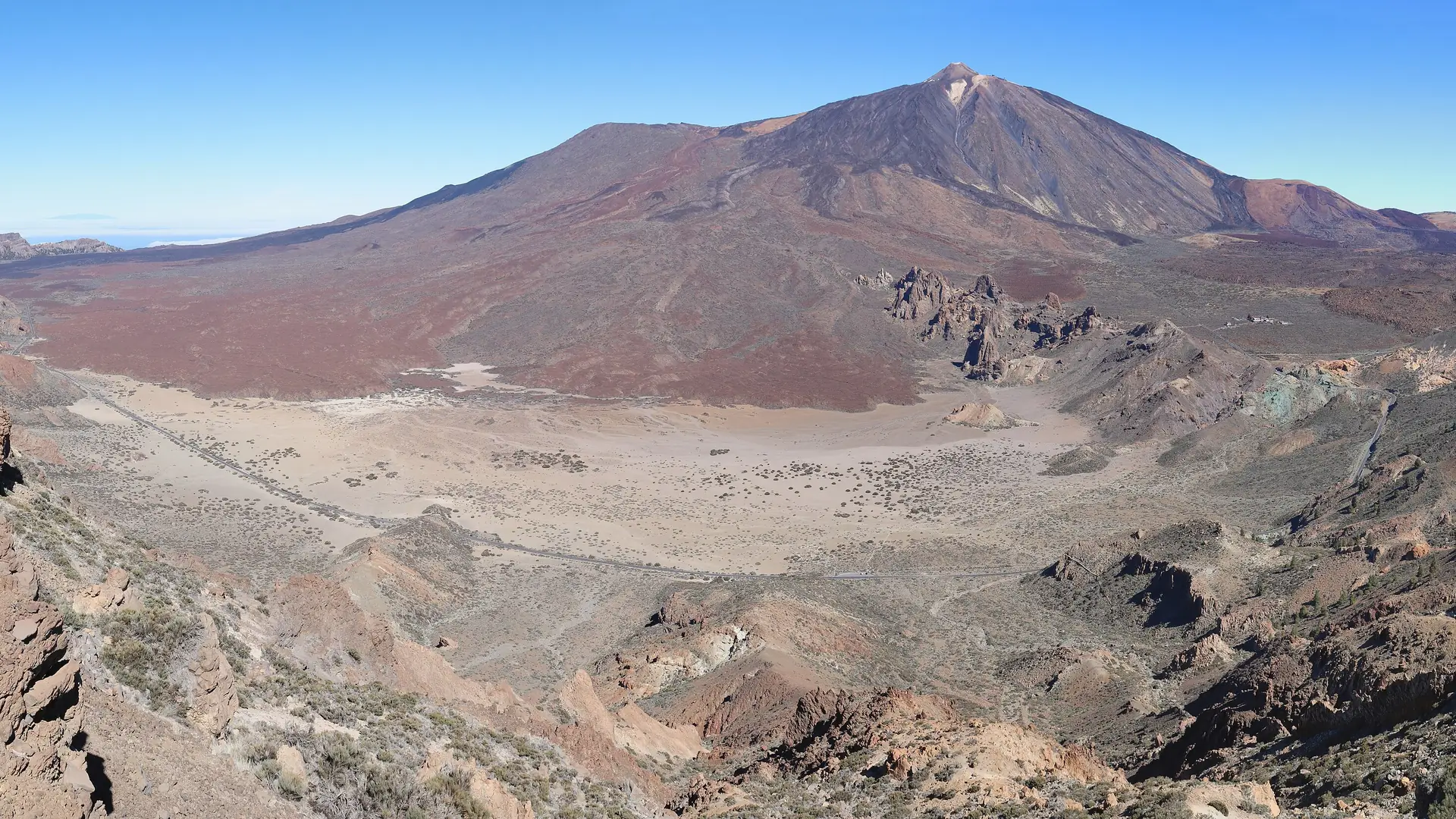
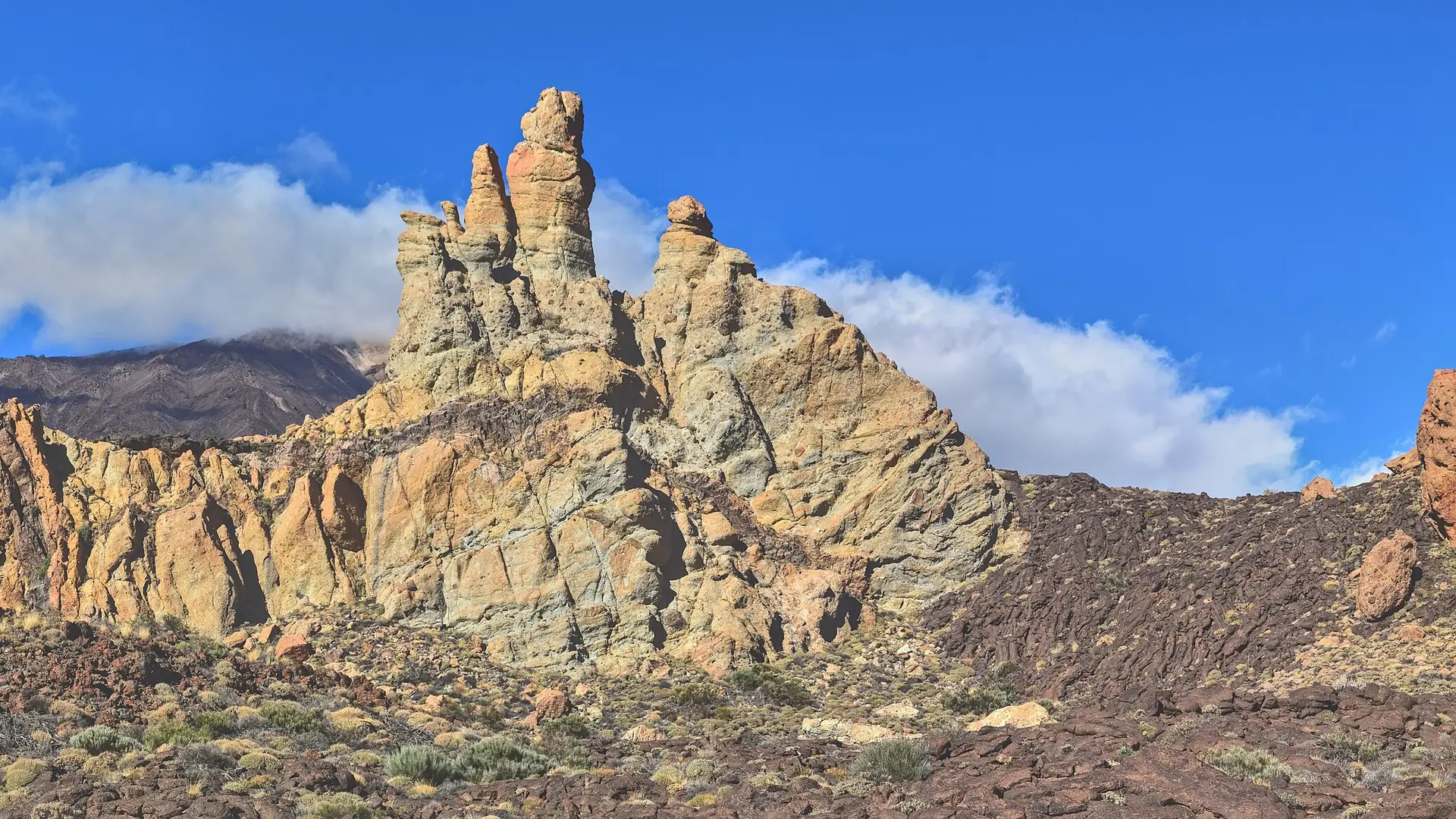
Teide is the reason most people who are not here for the beach come to Tenerife. The Teleférico del Teide lifts you most of the way up Spain's highest mountain in about eight minutes, and it is open every day of the year except 25 December.
These are the current fares from the operator's own price page, checked on 17 August 2026.
| Ticket | Non-resident | Resident |
|---|---|---|
| Return, adult | €42.00 | €10.50 |
| Return, child 3–13 | €21.00 | €5.25 |
| One way, adult | €23.50 | €5.88 |
| One way, child 3–13 | €11.75 | €2.94 |
Prices are described by the operator as moving with demand and season, so treat these as the current published figures rather than a fixed rate card. Book online with an assigned time slot and arrive 20 minutes before your session – daily capacity is limited and turning up on spec in August is how people end up not going at all.
Now the part that catches people out. The cable car ticket does not include access to the crater. Standing on the actual summit via the Telesforo Bravo trail requires a separate permit from the Cabildo de Tenerife's TenerifeON system, booked independently and well ahead.
Since 2026 it costs €15 for most visitors from outside the Canary Islands, and it is free for under-14s and Tenerife residents. The upper station gives you the views and the walking trails around it; the last stretch to the peak is gated.
The mountain sits in the middle of the island, so reaching it from the southern resorts is a morning's commitment rather than a quick run out, and the temperature at the top station is nothing like the temperature at your hotel. Take a jacket in every month of the year.
Siam Park and Loro Parque: the pair, or one full guide each
The two parks are the island's biggest paid attractions, run by the same group, and both deserve more depth than a summary table gives them. The Siam Park guide covers ride height limits and the costs the entry ticket leaves out; the Loro Parque guide covers the drive north and the orca question, answered once and plainly.
Entry to either was €44 per person on GetYourGuide as of 18 August 2026. The twin ticket, sold on Siam Park's own site, is €74 for an adult and €53 for a child, under-6s free, valid for 15 days from the first visit – it only pays off if you are doing both, since the parks sit at opposite ends of the island and the ticket is built around not doing them back to back.
Neither park requires advance booking to get in on a normal day, whatever the resellers imply. Buying ahead saves queueing, not disappointment.
Masca: the village is free, the ravine is complicated
Masca is a hamlet at the bottom of a gorge in the Teno massif, and it has become the most misreported attraction on the island. Two separate things are being confused.
Visiting the village is free and needs no reservation – that is the municipality's own wording. You drive or take the bus in, look at one of the more dramatic settings in the Canaries, eat somewhere, and leave.
Hiking the Barranco de Masca down to the sea is a different proposition entirely, and it needs an advance booking through the official system at caminobarrancodemasca.com, a mandatory shuttle from Santiago del Teide, and a boat out at the bottom – walking back up is no longer allowed.
The price you see quoted depends entirely on who is being quoted. A non-resident adult pays around €38 to €41 once the trail fee and mandatory transport are combined; the "€3 permit" some guides print is the Canary Islands resident rate, not the general price, which is the source of most of the confusion online.
Our Masca gorge hike guide has the full resident-versus-non-resident breakdown, the booking window and the equipment rules the rangers actually enforce.
The north is effectively a different island
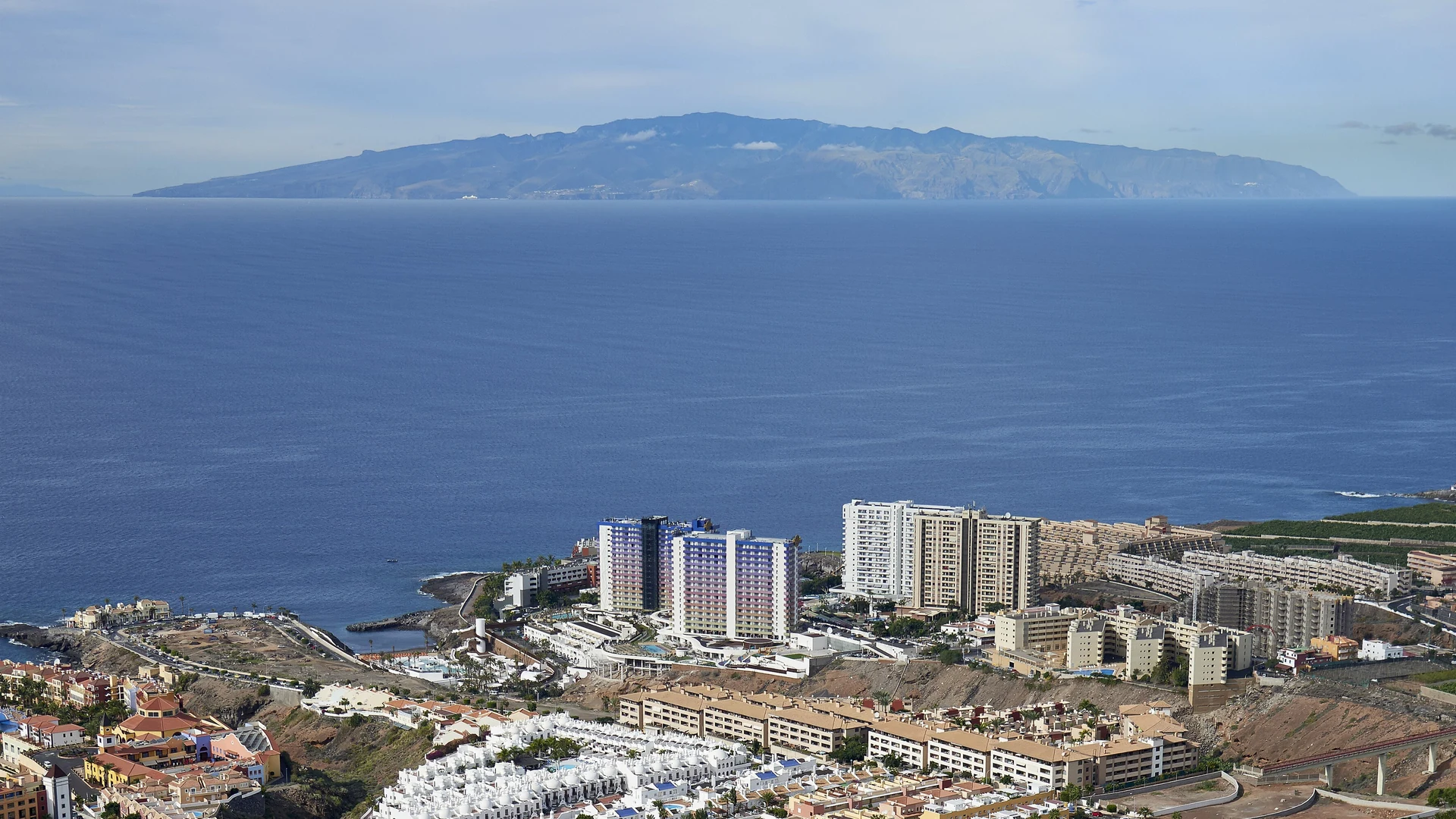
Almost everything above except Loro Parque is in the south or the middle. The north is where Tenerife stops looking like a resort coast, and it is the half most first-timers miss – our Puerto de la Cruz guide covers the town itself.
San Cristóbal de La Laguna has been a UNESCO World Heritage site since 2 December 1999, listed as the first example of an unfortified colonial town and the model for later cities in the Americas. Its grid layout dates from 1500 and survives intact. Tenerife North airport carries the town's name, and walking the old centre costs nothing.
North of it, the Anaga massif is laurel forest, one-lane roads and black-sand coves, and it is where the island's walking is. The contrast with Costa Adeje is total, and it is the single strongest argument for hiring a car for at least part of a trip – our car hire comparison covers the pickup options at both airports.
Whales, dolphins and turtles, all year from the south-west coast
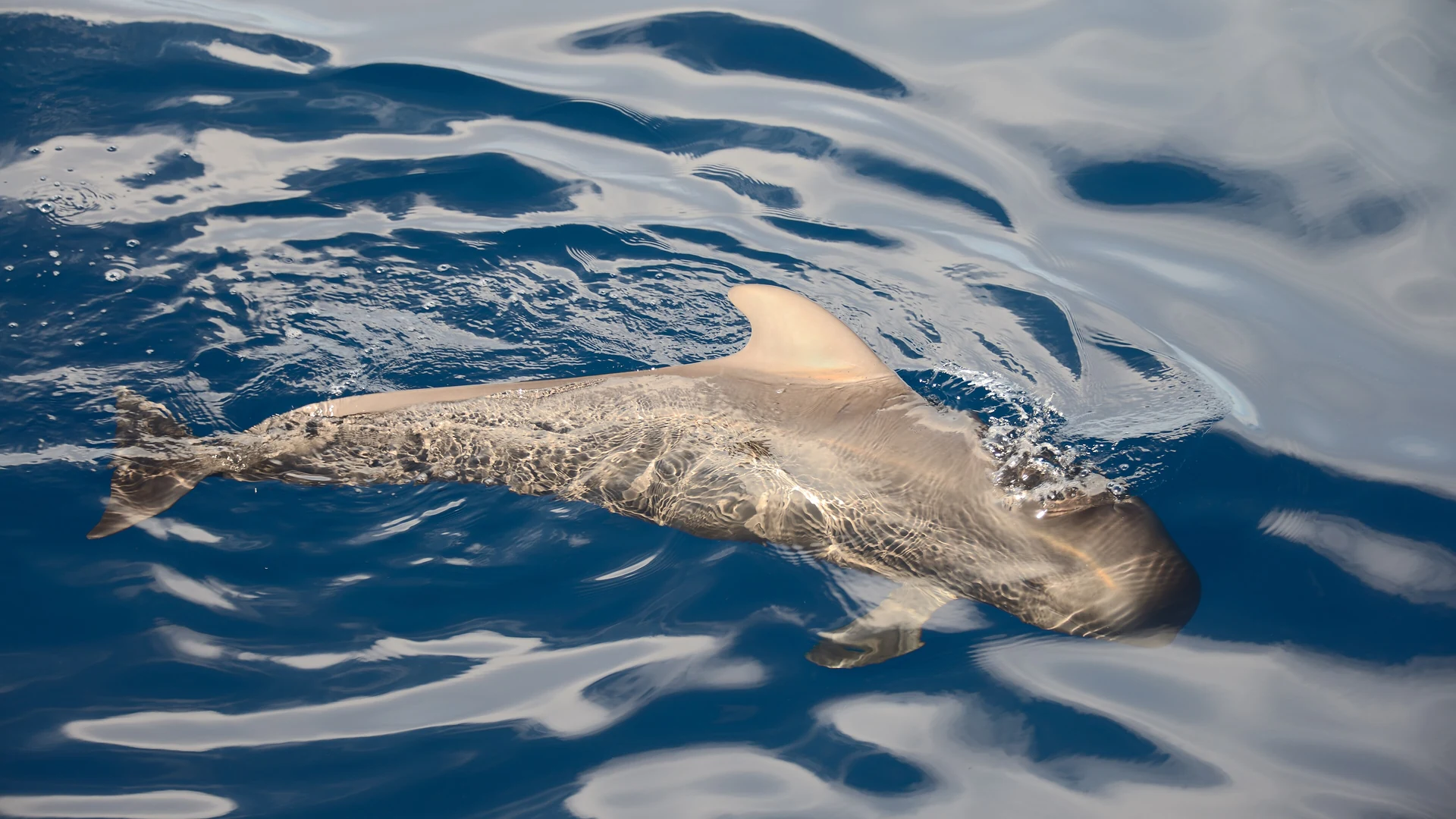
The water off Tenerife's south-west coast holds a resident, year-round population of short-finned pilot whales, so sightings here are not the seasonal lottery they are almost everywhere else in Europe. Most licensed boats leave from Los Cristianos, not Los Gigantes as is often assumed – the whale watching guide covers which port each trip actually uses and how to tell a licensed boat from an illegal one.
Would rather paddle than sit on a boat? The kayak and snorkelling guide covers the same coast at turtle depth, over the seagrass meadows the animals actually feed on.
If you would rather browse everything bookable on the island in one place, the full Tenerife activity listings cover the parks, the Teide tours and the boats together.
Quad, jeep or jet ski: the licence question decides it
Three of the island's most-booked activities sit on land and water around Teide and the southern coast, and picking between them comes down to paperwork more than preference. A jeep safari needs nothing from you and covers the most ground; a quad tour needs a driver with a full category B licence; a jet ski safari needs no licence at all and opens up to riders from 16.
That last point catches people out in mixed-age groups, since it means a 16-year-old can ride a jet ski solo but cannot legally drive a quad. Travelling with children specifically? The Tenerife with kids guide gathers every height and age limit on the island in one table, and the best excursions guide ranks all twelve of the island's main bookable activities by price if you would rather compare than read.
Fitting it together in a week
The island is big enough that geography beats enthusiasm. Teide is central, Siam Park is south, Loro Parque and La Laguna are north, Masca and Los Gigantes are west.
A workable week from a southern base: one day for Teide, one for Siam Park, one full day north taking in Loro Parque and La Laguna together, one for a whale-watching boat off the south-west coast, and the rest on the coast. Where you stay decides how much driving that involves – the best hotels in Tenerife guide sets out why nearly everything sits on one southern strip.
Only got three days? The 3-day Tenerife itinerary sets out what to prioritise and what to accept missing.
And if the trip is mostly about the sea rather than the sights, the best beaches in Tenerife guide explains why the sand is a completely different colour depending on which coast you are standing on.
FAQ – planning what to do in Tenerife
Featured image: The Cosmonaut / Wikimedia Commons / CC BY-SA 2.5 ca