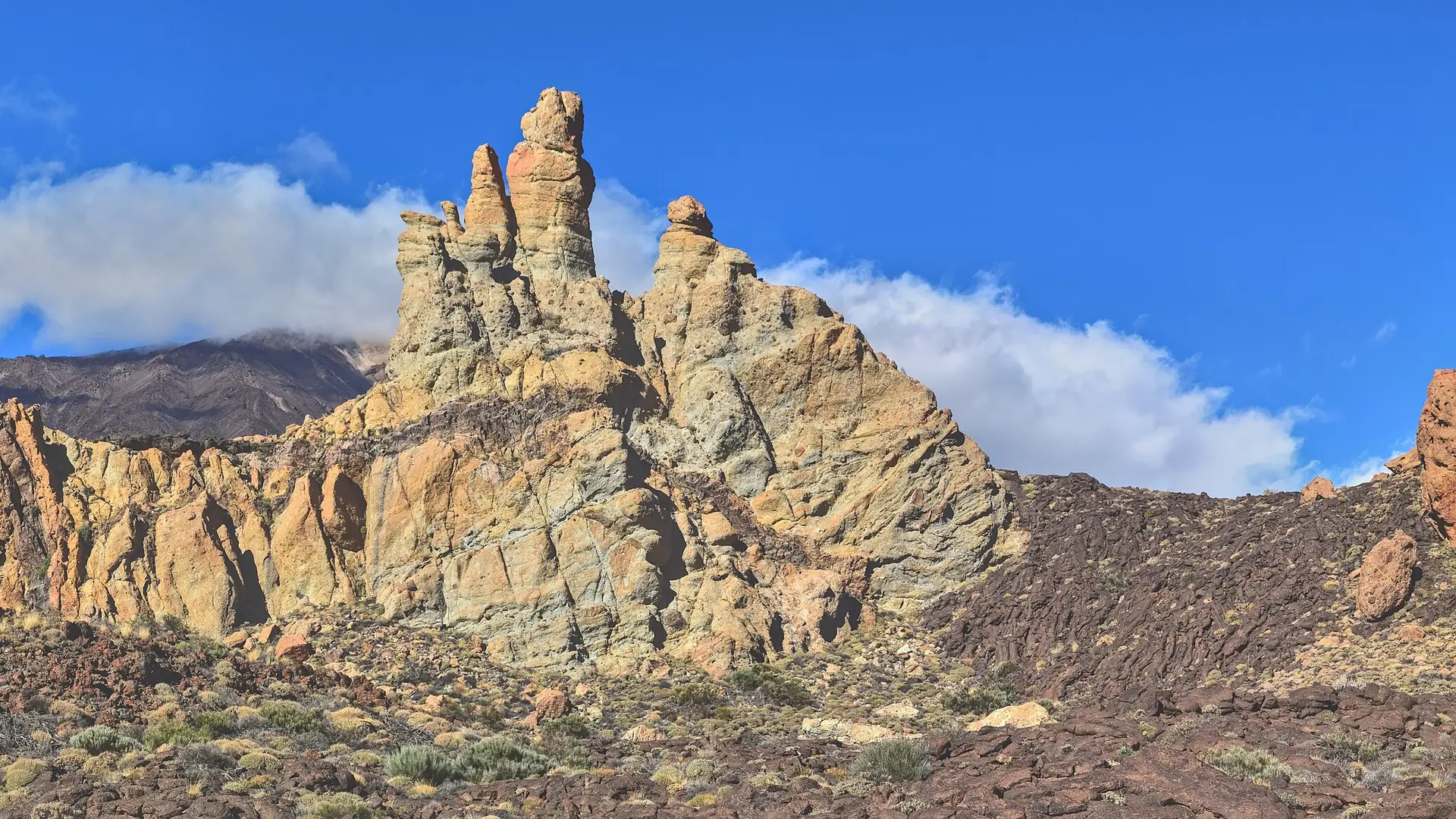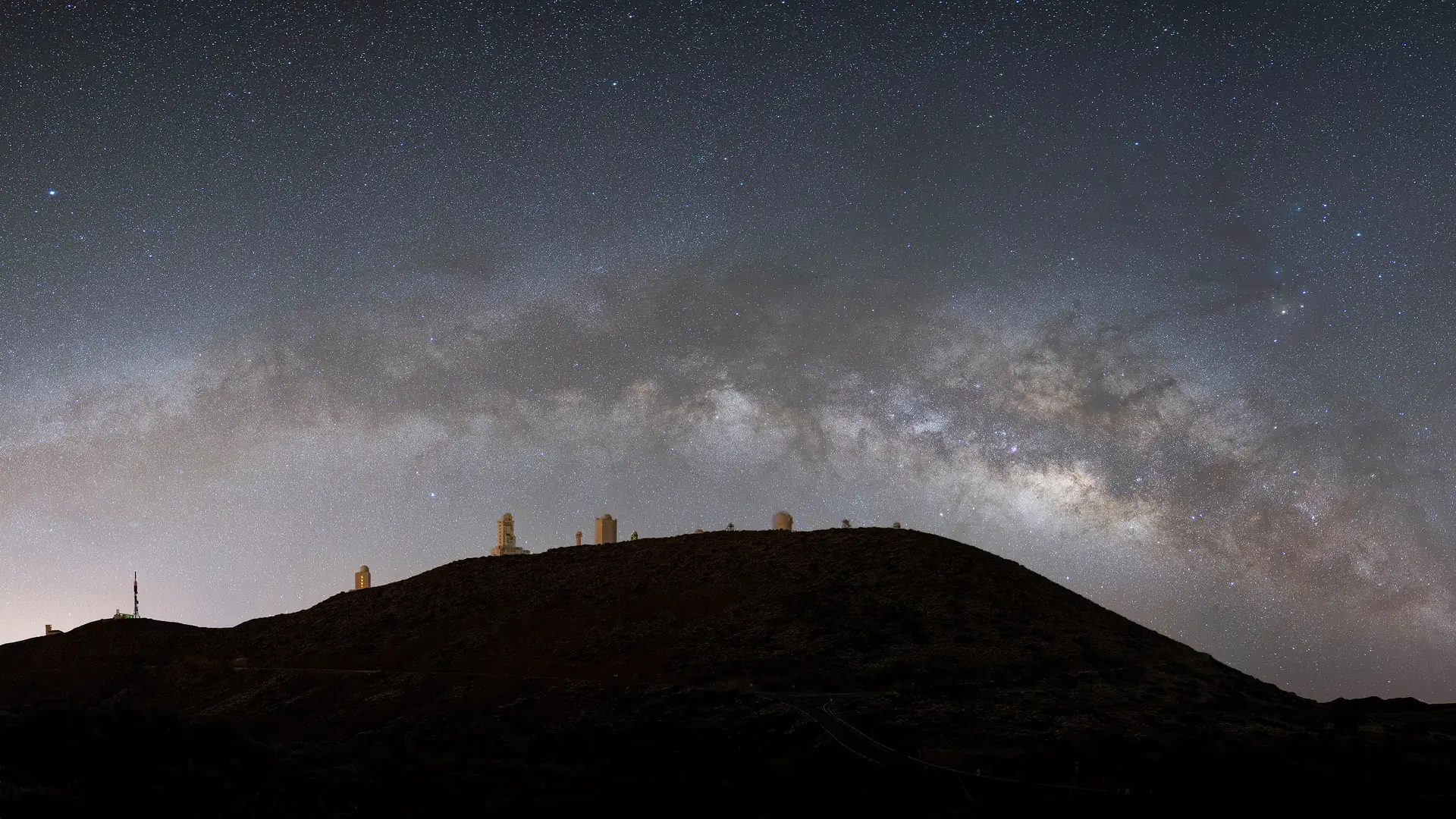
Teide National Park has been a UNESCO World Heritage Site since 2007, and the conditions that put a working observatory inside it – altitude, dry air, no coastal glare – are the same ones the stargazing operators sell. The night trip is a genuinely different product from the daytime cable car, not the same visit rescheduled after dark.
The difference that matters most is height. Most Teide stargazing tours gather between roughly 1,400m at Chío and 2,000m at Narices del Teide, far below the cable car's upper station at 3,555m. That single fact changes the medical restrictions, the clothing, and who in your party can realistically come.
Mount Teide Sunset and Stargazing Tour with Cable Car
Total price from
€182
Includes taxes and fees
Powered by GetYourGuide
The cable car up before dusk, then telescopes once the sky is fully dark, with hotel pickup included both ways.
- Eight hours, hotel pickup included
- Cable car ascent timed for sunset
- Guided telescope session after dark
- The only format that combines the volcano and the sky in one evening
Why is the night tour not just the cable car after dark?
The cable car and the telescopes are two separate operations at two separate altitudes, and conflating them is the most common mistake in stargazing guides.
The Teleférico del Teide upper station sits at 3,555m and enforces a one-hour limit on time spent up there, according to the operator's own access rules. Those rules also exclude under-3s, pregnant women and people with cardiovascular conditions, and the operator is direct that altitude sickness is a real risk regardless of how fit you are.
Stargazing tours mostly sidestep all of that by staying on the lower slopes, where the sky is already dark enough and the air is thick enough that nobody has to think about it.
| Daytime cable car | Typical stargazing tour | |
|---|---|---|
| Altitude | 3,555m upper station | ~1,400–2,000m |
| Time limit | 1 hour at the top | none |
| Under-3s | not admitted | operator-dependent |
| Weather risk | wind closes the lift | cloud spoils the sky |
The exception is the format that bundles the cable car in before dusk. If you book that one, you are doing both trips in a single evening, and the cable car's own restrictions apply to the daylight half of it.
Which stargazing format should you book?
Three shapes dominate the market, and they differ far more than the marketing copy suggests.
The sunset-and-stars tour with the cable car included is the fullest version: eight hours, hotel pickup, the lift up before dusk, then telescopes once the sky goes fully dark. It runs at around €182 per person, rates 4★+ on GetYourGuide, and it is the one to book if you want the volcano and the sky in one go rather than picking between them.
The dinner-and-telescope format, sold under the Teide by Night name and also through TUI, trades the cable car for a table. Sunset, a three-course dinner at what is billed as Spain's highest restaurant, then guided telescope viewing, run in groups of about 17 with minibus pickup.
The third is the self-drive option, run by ClubCanary with no pickup at all. You drive yourself to Chío for around 19:15, follow the guide's van about 20 minutes to a dark-sky spot, use the same Celestron telescopes over Canarian tapas, wine, cava or beer, and are back at Chío by around 22:00.
Do you need to worry about altitude at night?
For the lower-altitude tours, much less than the cable car's rules imply. Chío sits at roughly 1,400m and Narices del Teide at roughly 2,000m, both well under the height at which the cable car operator starts excluding passengers on medical grounds.
That makes the self-drive and dinner formats the realistic choice for anyone travelling with a small child, anyone pregnant, or anyone who has been told to avoid altitude. The physical demand is standing outdoors in the cold, not climbing.
If you do book the version with the cable car included, read the operator's access rules first. The Mount Teide guide covers the daytime fares, the one-hour limit and the separate summit permit that the cable car ticket does not include.
What the sky over the park is rated for
Tenerife's central caldera has formal recognition as a Starlight destination on top of the UNESCO listing, a certification awarded for measured sky quality and light-pollution control rather than for scenery.
We are not going to print a year for it: the sources we checked disagree on whether the Starlight certification dates from 2013 or 2014, and a wrong date is worse than no date. The certification itself is not in dispute.
What you get on the ground is a guide with a laser pointer, telescope time on whatever is up that month, and the naked-eye view once your eyes adjust. The Milky Way is visible without optics on a clear moonless night at these altitudes.
Booking, weather and the things that cancel an evening
Night tours run small. Telescope capacity, not coach capacity, sets the group size, which is why they sell out further ahead than daytime excursions in the same park.
Cloud is the operational risk rather than wind. The trade-wind cloud that sits over the north of the island usually stays below the caldera rim, which is why the park is a viable site at all, but a genuinely overcast night still ends the stargazing.
- Bring: a proper coat, hat and gloves in any month; the caldera is cold after sunset year-round.
- Avoid: the nights either side of a full moon, which washes out everything faint.
- Check: the cancellation terms before paying, since cloud is the operator's call, not yours.
For how a night trip fits alongside the island's other bookable days out, the best excursions in Tenerife guide ranks the main options by price. If you would rather build the evening around a town than a telescope, the pilgrimage basilica at Candelaria and the balcony streets of La Orotava both work as late-afternoon stops before a drive up into the park.
FAQ – Teide stargazing tours
Featured image: Curd-Christian Tengeler/IAU OAE / Wikimedia Commons / CC BY 4.0