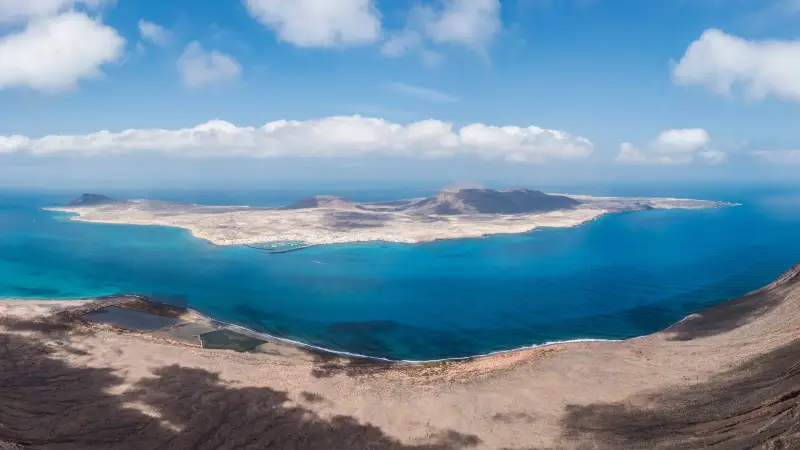
Lanzarote's best things to do fall into three day-sized groups: the volcanic south-west, with Timanfaya, El Golfo and the salt pans; César Manrique's north, with Jameos del Agua, Cueva de los Verdes and the Mirador del Río; and the wine country of La Geria in the middle. The island is only about 60 km from end to end, so three days cover the essentials. Book Timanfaya and Cueva de los Verdes ahead.
What are the top things to do in Lanzarote?
These are the ten that earn their place on a first visit, in rough order of priority. Times are the CACT's own where it publishes them, otherwise our estimate; the CACT runs the island's art, culture and tourism centres.
| # | Sight | Area | Time | Book ahead? |
|---|---|---|---|---|
| 1 | Timanfaya (Montañas del Fuego) | South-west | ~90 min | Yes, timed online |
| 2 | Jameos del Agua | North | 60–120 min | Not required |
| 3 | Cueva de los Verdes | North | ~50 min | Yes, timed online |
| 4 | El Golfo and Los Hervideros | West coast | 1–2 h | No |
| 5 | La Geria vineyards | Centre | Half day | For tastings |
| 6 | Fundación César Manrique | Tahíche | 1–2 h | – |
| 7 | Papagayo beaches | South | Half day | No |
| 8 | Mirador del Río | North | ~1 h | Not required |
| 9 | Teguise and its Sunday market | Centre | Morning | No |
| 10 | La Graciosa | Ferry from Órzola | Full day | Ferry ticket |
Timanfaya and Cueva de los Verdes sell tickets only online, for a set date and time, according to the CACT; the other centres sell at the ticket office. Opening hours differ by centre, so check the CACT page for your date.
If you only have three days
Day 1, the south-west. Timanfaya in the morning, then the coast road past the Janubio salt pans and Los Hervideros to El Golfo, where the official tourism board suggests the viewpoint late in the day.
Day 2, the north. Jameos del Agua, Cueva de los Verdes and the Mirador del Río sit close together, with lunch in Haría, known as the valley of a thousand palms.
Day 3, the centre. La Geria's vineyards and a bodega, the Fundación César Manrique at Tahíche, and Teguise, ideally on a Sunday morning for the market. Keep everything else for beach days.
Timanfaya: the one to book first
Timanfaya National Park is the reason most people come. Entry to the Montañas del Fuego costs €30 per adult, sold by timed slot from 09:00 to 15:45, and the Route of the Volcanoes is driven by the park's own coach, not by you.
That makes the choice simple: drive there with a ticket, or join a tour that holds one for you. Our Timanfaya National Park tour guide compares the two and explains when each is cheaper.
César Manrique's Lanzarote
The artist César Manrique shaped the island's best-known sights, and seeing them is half the point of a visit. Jameos del Agua, the first centre he created, runs through a section of the La Corona lava tube, with an interior lake that is home to an endemic blind crab.
Cueva de los Verdes, further along the same lava tube, is a guided walk through galleries lit by the artist Jesús Soto. The Jardín de Cactus fills a former quarry with cacti from five continents, and the Mirador del Río looks across to La Graciosa from a building set into the cliff.
His homes are the other half. The Fundación César Manrique at Tahíche is the house he built in a lava flow, with rooms set in volcanic bubbles, and his last home in Haría is now a house museum. The Casa Museo del Campesino, his tribute to Lanzarote's farmers, is free.
You can drive the circuit yourself or take a coach with a guide; our César Manrique tour guide compares the two, with every entry price.
La Geria and the wine country
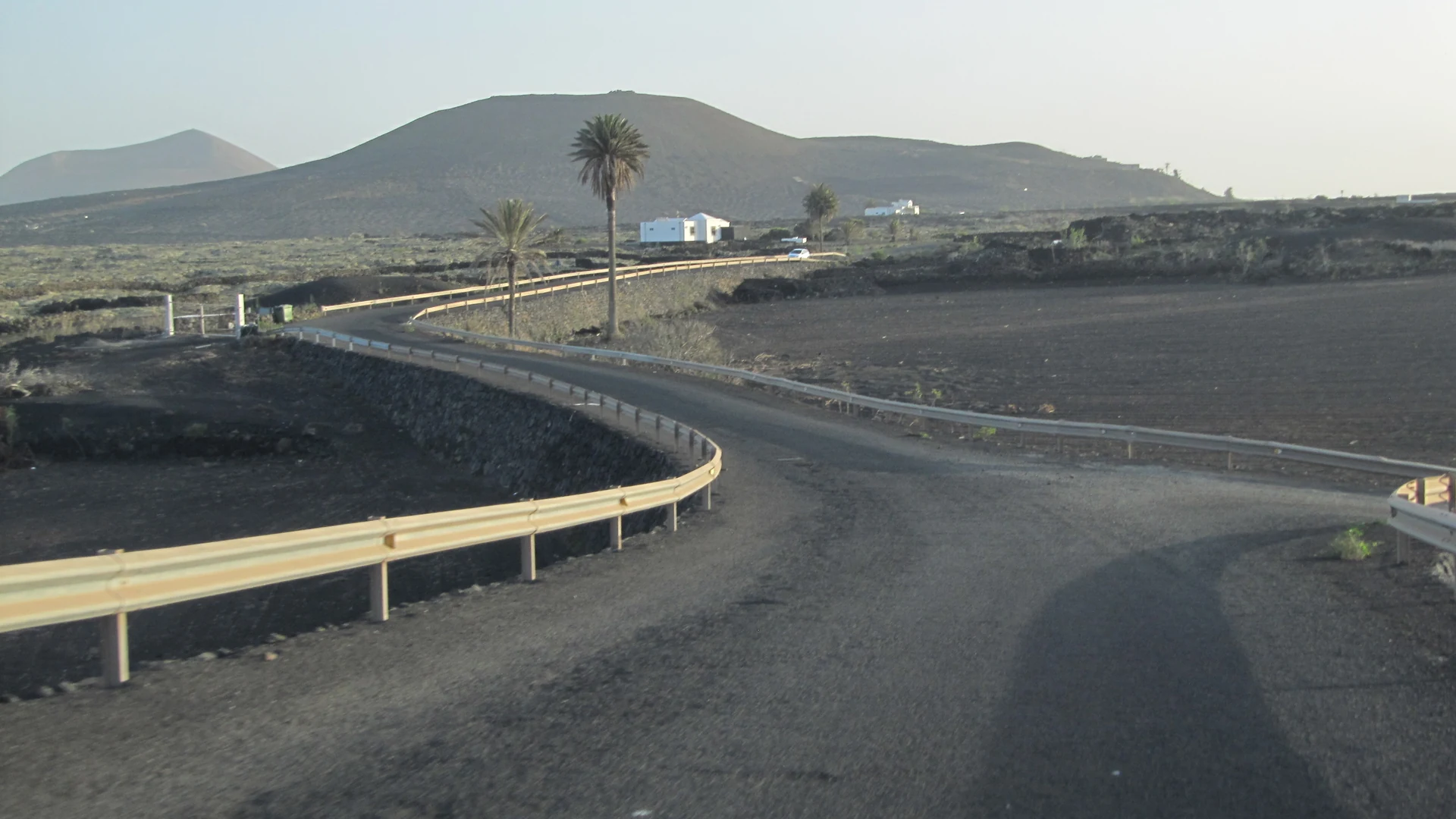
In La Geria, vines grow in pits dug through black volcanic ash, each behind a low curved wall of volcanic stone. The drive through it costs nothing, and it is the landscape most people picture when they think of Lanzarote's interior.
The bodegas are where to stop. El Grifo keeps a wine museum in its original 1775 winery, and several wineries run tastings. Our Lanzarote wine tour guide covers which tastings to book and how to get home afterwards.
The west coast: El Golfo, Los Hervideros and Janubio
Three free stops sit along one stretch of the south-west coast, an easy half-day from Playa Blanca.
- Salinas de Janubio: the largest saltworks in the Canary Islands, worked by hand for more than 100 years, best seen from the viewpoint above.
- Los Hervideros: lava cliffs where Atlantic waves surge into caves and seem to boil, with paths between viewpoints.
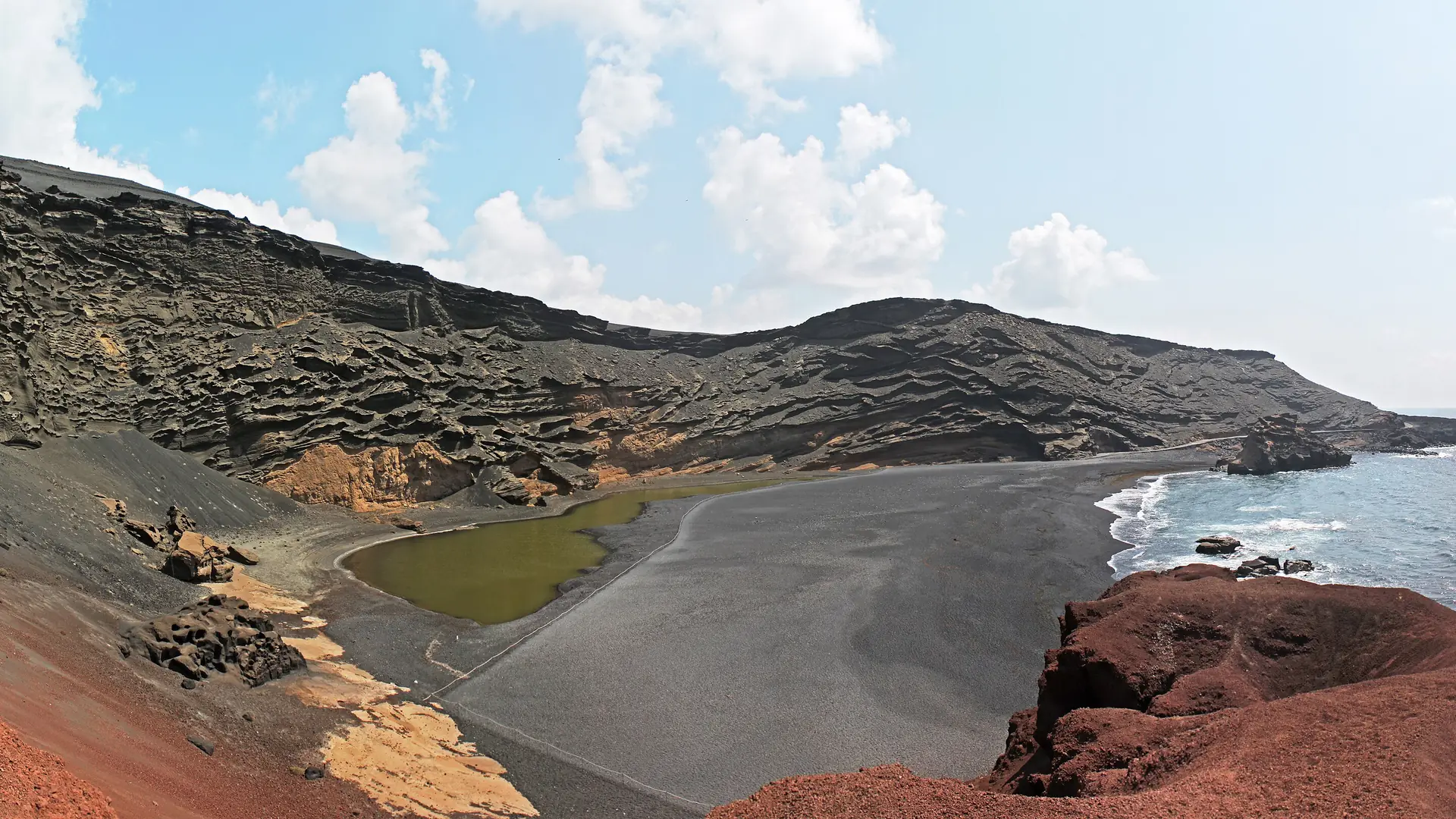
- El Golfo and the Charco de los Clicos: a green lagoon inside a volcanic crater, a protected natural reserve, about 100 metres from El Golfo's black-sand beach.
Go late in the afternoon, when the light on the salt pans and the lagoon is at its best.
Beaches and the sea
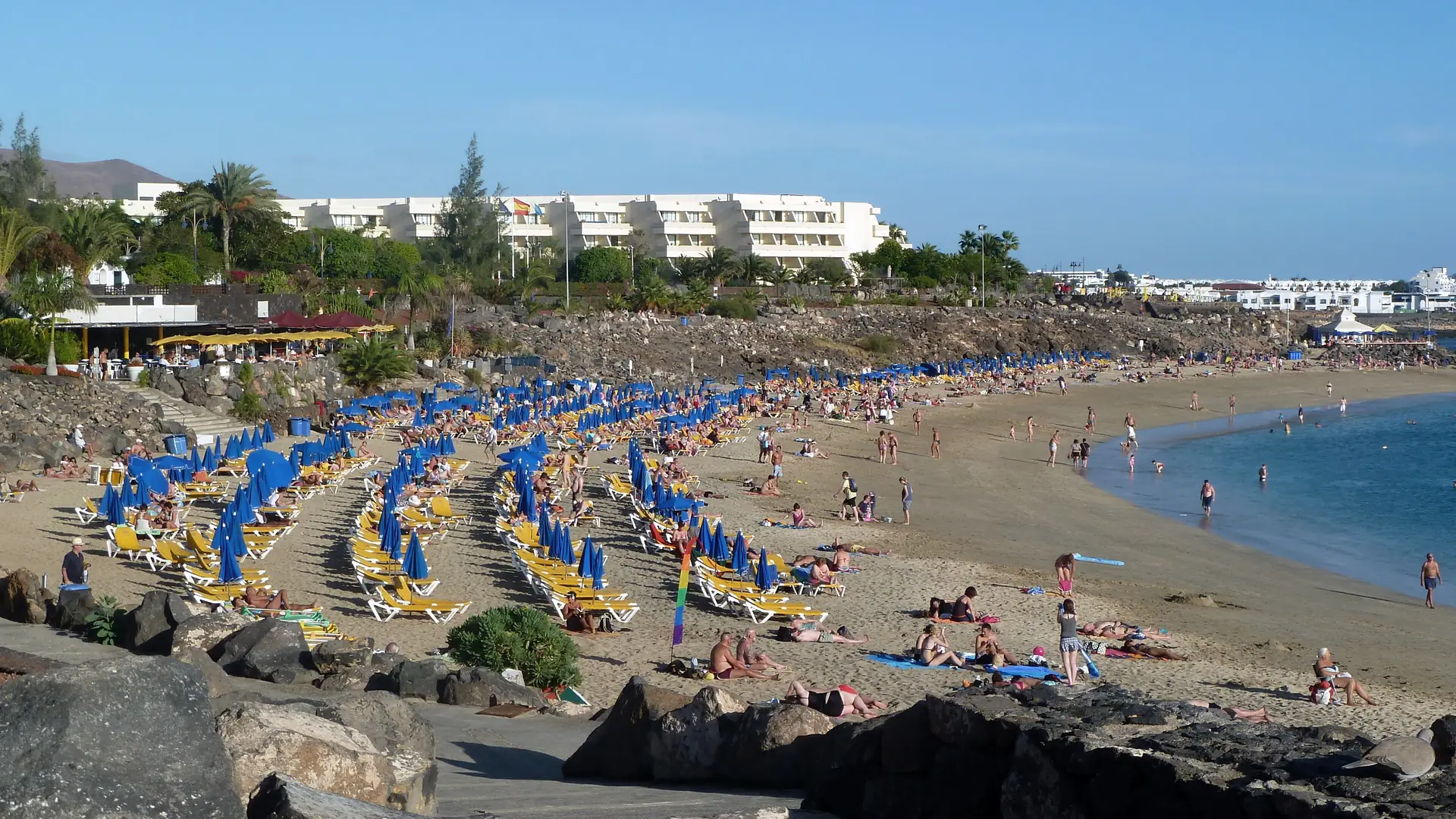
Papagayo is the island's most photographed coast, a string of coves in the Los Ajaches Natural Monument beyond Playa Blanca. Most visitors arrive along a dirt track with a vehicle fee, or by sea; our Lanzarote boat trip guide covers the Papagayo catamarans and the dolphin cruises.
Playa Chica in Puerto del Carmen is a sheltered cove where beginners take their first dive, and Museo Atlántico, Europe's first underwater museum with more than 300 sculptures by Jason deCaires Taylor, lies 12–14 metres down off Playa Blanca. Our Lanzarote scuba diving guide covers both.
Famara, on the north-west coast, is a long, exposed surf beach: a place to watch surfers, not one for small children. For speed instead of surf, our Lanzarote jet ski guide covers guided tours and circuit hire.
La Graciosa is the day trip that feels like another island because it is one: a 30-minute ferry from Órzola, with no tarmac roads and no cars on the ferry. Our La Graciosa guide covers the ferries and the day.
Things to do by resort
Each of the three main resorts has a different set of things on the doorstep. Our best hotels in Lanzarote guide compares them as a base.
Playa Blanca
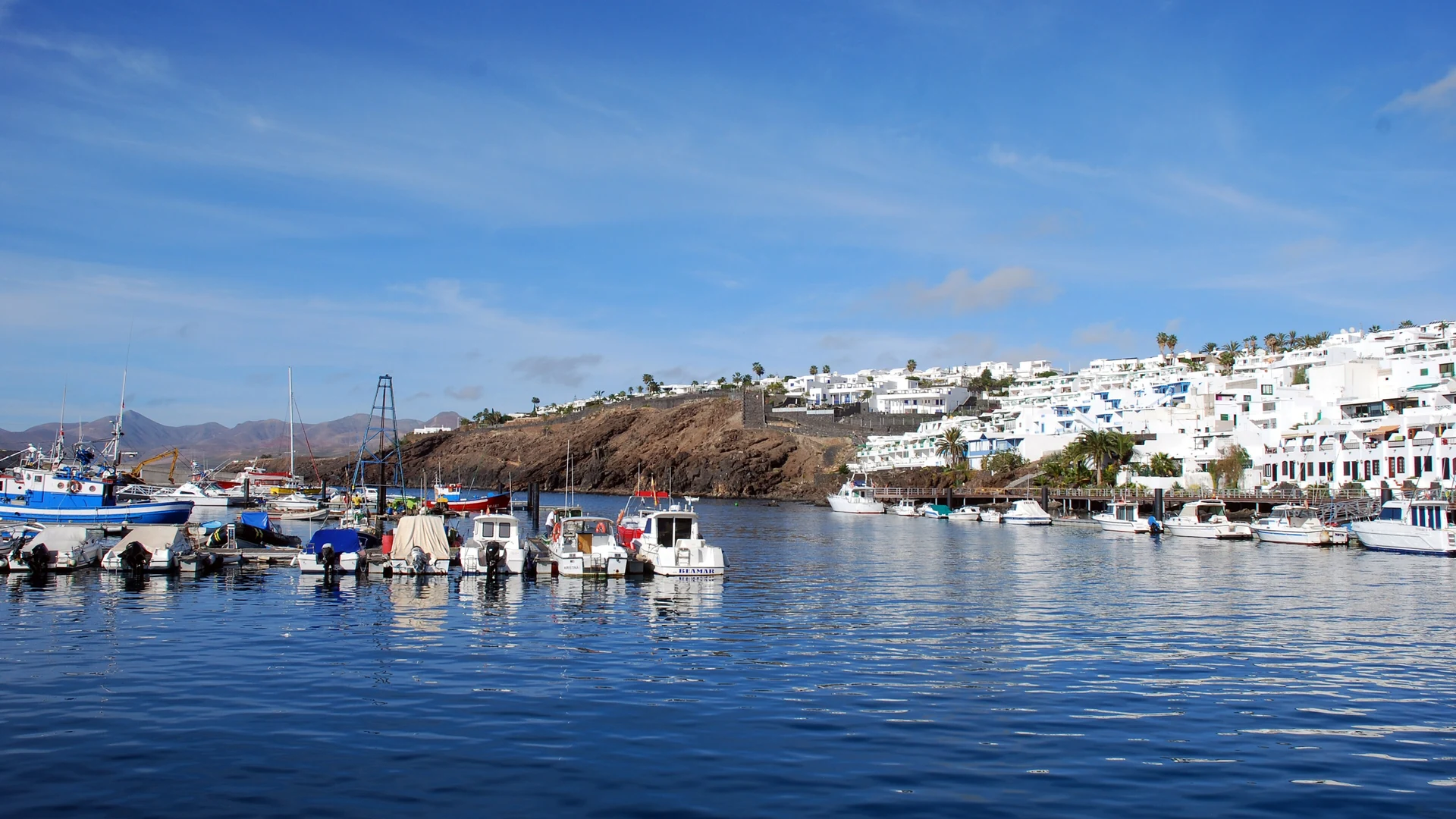
The quietest resort has Marina Rubicón, the promenade between its three beaches, the Papagayo coves beyond the town and Aqualava, the water park that stays open in winter. The ferry to Fuerteventura leaves from the port, and our Fuerteventura day trip guide shows how to do it in a day. For somewhere to stay, see our Playa Blanca hotels guide.
Puerto del Carmen
The liveliest resort has the long Avenida de las Playas strip, Playa Chica for snorkelling and diving, and the old harbour, where most of the island's boat trips leave. Rancho Texas Lanzarote Park, a Wild West-themed animal park, is open 09:30–17:30 every day of the year. Our Puerto del Carmen hotels guide covers where to stay.
Costa Teguise
The breeziest of the three is the one for windsurfing at Las Cucharas, with calmer swimming at El Jablillo. Aquapark Costa Teguise, the island's biggest water park, and Lanzarote Aquarium are both here, and the most-booked volcano buggy tour starts in the resort. For hotels, see our Costa Teguise hotels guide.
Things to do with kids, as a couple and at night
With children, the water parks are the obvious days out, and the season decides between them: our Lanzarote water parks guide compares all three. Rancho Texas runs dolphin, sea lion and bird of prey presentations through the day, and the aquarium in Costa Teguise is the rainy-day fallback.
As a couple, the best of Lanzarote is quiet: sunset at El Golfo, a bodega in La Geria, a guided walk through Cueva de los Verdes, and dinner in Haría or Teguise. At night, Puerto del Carmen has the island's busiest bars, while Playa Blanca's evenings are restaurants along the promenade.
Free things to do in Lanzarote
Much of the island costs nothing beyond fuel:
- El Golfo, Los Hervideros and the Janubio viewpoint on the west coast.
- The drive through La Geria, stopping at the vineyards.
- Teguise Sunday market, in the historic quarter every Sunday from 09:00 to 14:00, according to Turismo Lanzarote.
- Casa Museo del Campesino, César Manrique's tribute to the island's farmers, free to enter.
- The beaches, apart from the vehicle fee at Papagayo.
How many days in Lanzarote is enough?
In our view, three full days with a car cover Lanzarote's essentials: one for the south-west, one for the north and one for the centre. A week leaves room for those three, two or three beach days and a boat trip or La Graciosa.
Without a car, the main sights take longer, because buses link the resorts rather than the volcanoes. Our Lanzarote car hire guide explains which bases need one, and our Lanzarote excursions guide covers the tours that do the driving for you.
Before you go: the sea, tap water and opening times
Watch the beach flags. The Canary Islands health service's guidance is simple: green means bathing is allowed, yellow means take care, red means bathing is prohibited, and a black flag closes the beach. Lanzarote is windy, and exposed beaches such as Famara can have strong currents.
Tap water is safe to drink: Canal Gestión Lanzarote, the island's water company, says it meets every legal standard for drinking. It is desalinated seawater with a little chlorine, so many people prefer the taste of bottled water.
Most things stay open all year. Rancho Texas opens every day, the CACT centres keep their own hours, and Aquapark Costa Teguise closes for the winter in early November. The sea is around 23 °C in autumn and 18 °C in late winter, according to Turismo Lanzarote.
FAQ – things to do in Lanzarote
Timanfaya National Park is the one must-do: the Montañas del Fuego ticket costs €30 per adult, is sold online for a timed slot between 09:00 and 15:45, and includes the park's own coach along the Route of the Volcanoes. After that, the César Manrique sites in the north, especially Jameos del Agua and Cueva de los Verdes, and the green lagoon at El Golfo.
Three full days with a hire car are enough to see Lanzarote's main sights: one for Timanfaya and the south-west coast, one for the César Manrique sites in the north and one for La Geria and Teguise. The island is only about 60 km from end to end. A week allows for those three days plus beach days and a boat trip.
Teguise is the usual answer: it was Lanzarote's capital until 1852, when Arrecife took over, and its historic quarter hosts a market every Sunday from 09:00 to 14:00. Haría, in the north, is the other contender, known as the valley of a thousand palms, and César Manrique's last home there is now a house museum.
Turismo Lanzarote names papas arrugadas, small potatoes boiled in their skins and served with mojo, a garlic and chilli sauce, as the island's most popular dish. Fresh fish, sancocho fish stew, goat, local cheeses and wine from the volcanic vineyards of La Geria are the other things to try.
Yes, when the flags allow it. Under the Canary Islands health service's guidance, a green flag means bathing is allowed, yellow means take care and red means bathing is prohibited. Lanzarote is windy, and exposed beaches such as Famara can have strong currents, so sheltered beaches such as Playa Chica in Puerto del Carmen or El Jablillo in Costa Teguise suit families better.
Yes. Canal Gestión Lanzarote, the island's water company, says its tap water meets all the legal standards for drinking. It is desalinated seawater treated with a small amount of chlorine, so some people prefer bottled water for the taste.
Featured image: H. Zell / Wikimedia Commons / CC BY-SA 3.0