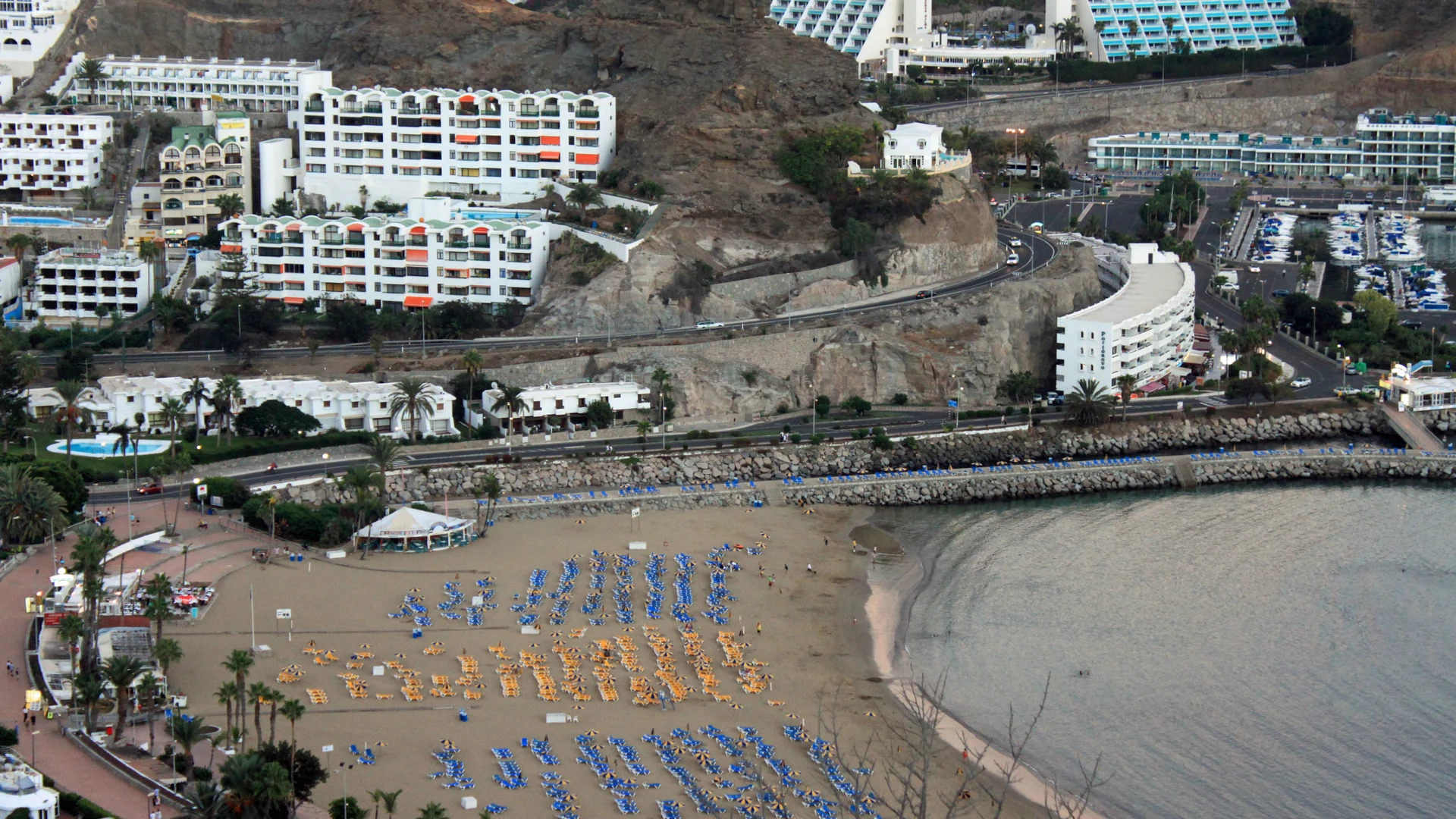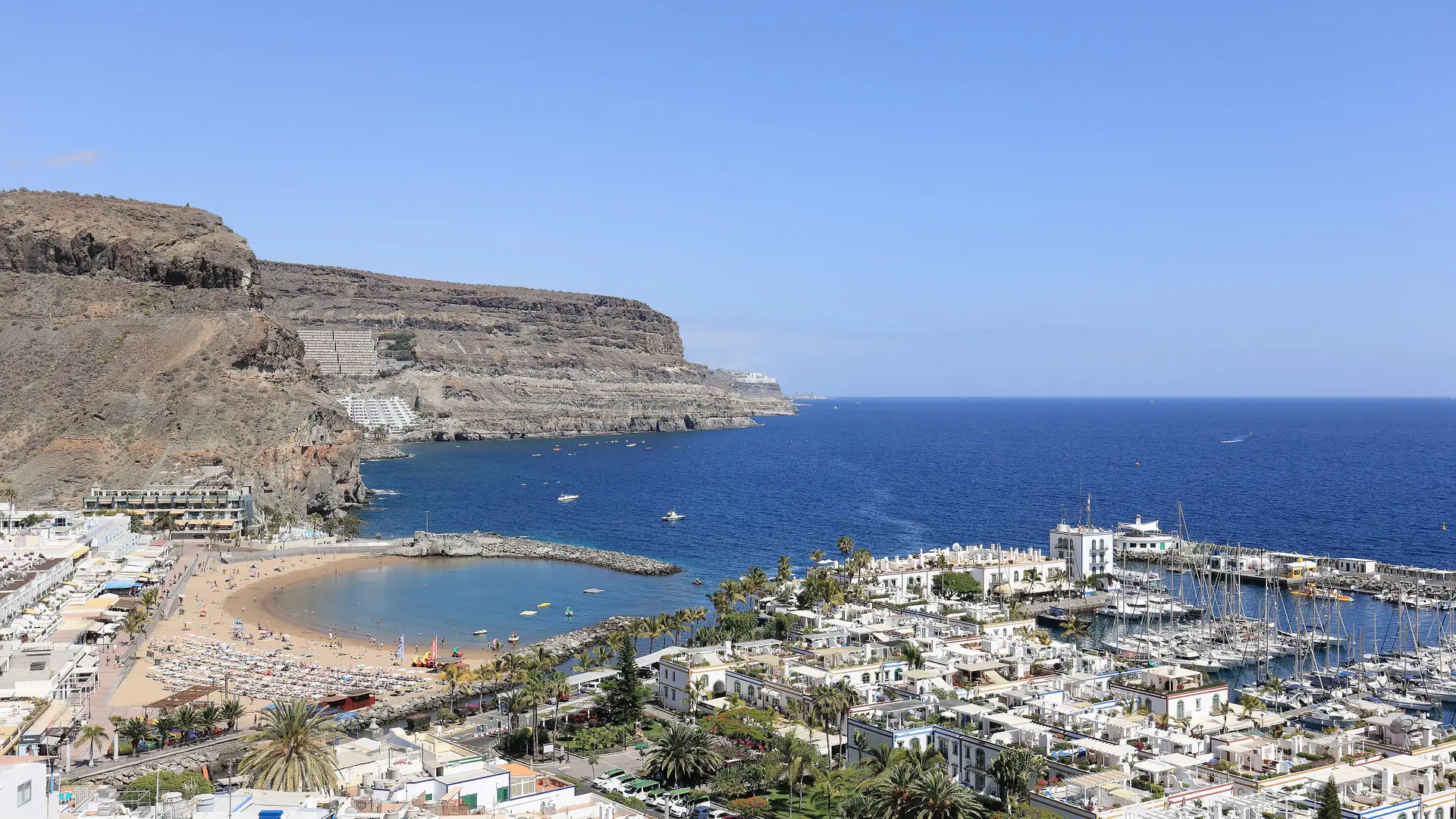
Gran Canaria's best things to do sit in three very different places: the resort coast of the south, with the Maspalomas dunes and the boat harbours; the volcanic summits in the middle, where Roque Nublo and Pico de las Nieves stand; and Las Palmas in the north, a real capital with an old town and a 3km city beach. Most of it is free, but two headline sights now have rules that catch visitors out.
Where are Gran Canaria's main attractions?
Start with geography, because on this island it decides your days. The southern resorts and the capital are about 58km apart on the GC-1 motorway, and the mountains in between are slow, winding driving.
| Area | What's there | Needs booking? |
|---|---|---|
| Maspalomas | Dunes, lighthouse, long beach | No |
| South-west coast | Puerto Rico, Mogán, boat trips | Boats, yes |
| Central summits | Roque Nublo, Pico de las Nieves | Roque Nublo, yes |
| Las Palmas | Vegueta old town, Las Canteras | Mostly no |
| North coast | Arucas, bananas, rum | Tours only |
If you are staying in the south, the coast is on your doorstep and the summits and the capital are day trips. If you are in Las Palmas, it is the other way round. Our where to stay in Gran Canaria guide explains how to choose between the two halves before you book anything else.
Walk the Maspalomas dunes, on the marked paths
The Maspalomas dunes are the island's signature sight, and they are free and open every day, a short walk from the resort. They are also a protected nature reserve, and that is the first rule people miss.
Since 22 May 2020, walkers must stay on about 8km of marked trails, and leaving them carries a fine starting at €150. The paths still take you through the middle of the sand to the sea, so you lose nothing but the freedom to wander off across the ridges.
The dunes run into Maspalomas and Playa del Inglés beaches, about 6km of golden sand together, with the Faro de Maspalomas lighthouse at the western end. Our Maspalomas dunes guide covers the routes, the rules and the camel rides at the edge of the reserve.
Hike Roque Nublo, but book the slot first
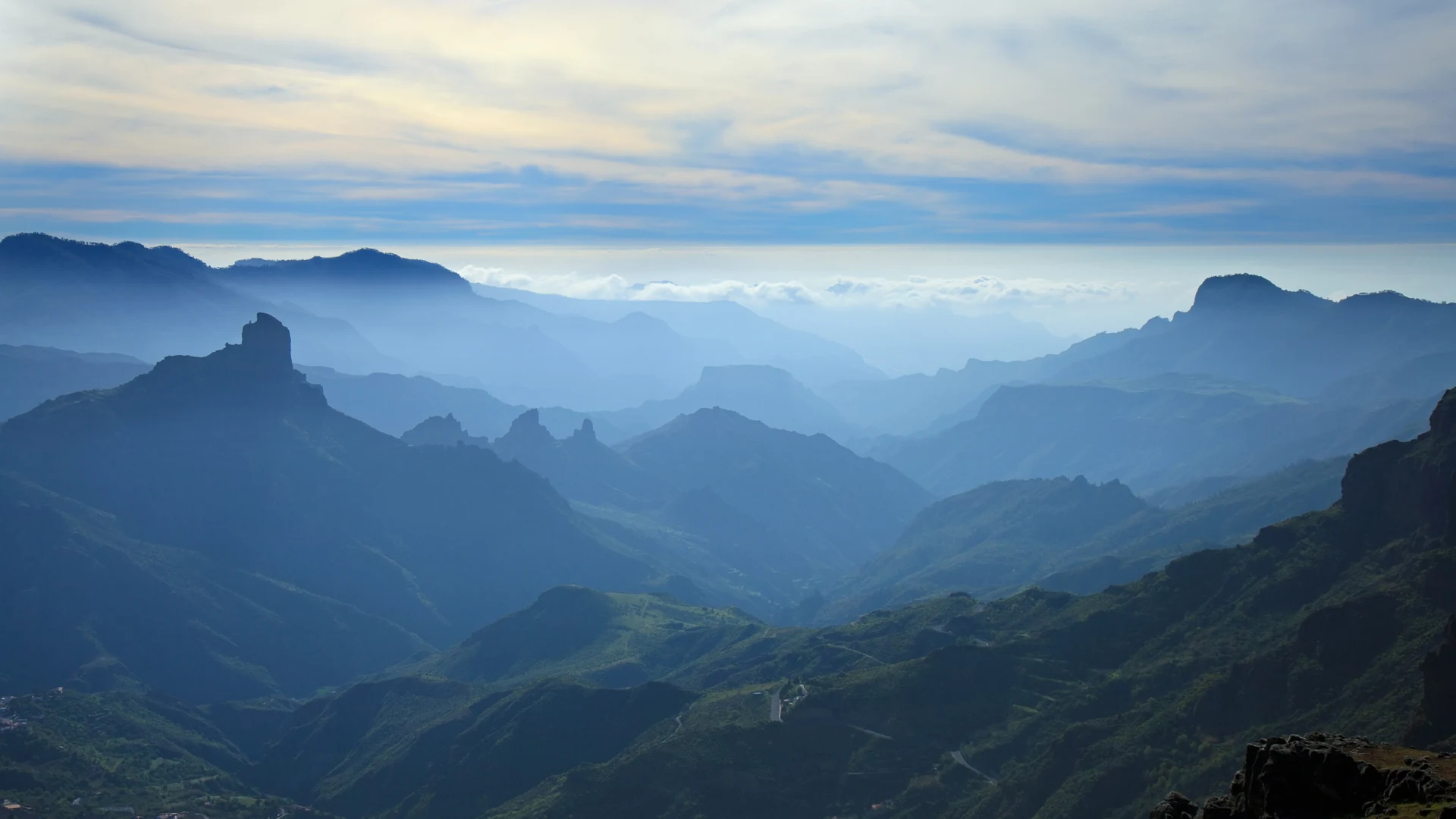
Roque Nublo, the basalt pillar on the ridge at the centre of the island, is Gran Canaria's most famous walk, and the second rule change to know. Since 3 February 2025 the trail from Degollada de La Goleta needs a free, timed reservation for most of the day, and the old roadside car park is closed to private cars.
The walk itself is short, and the landscape around it carries real weight: Risco Caído and the Sacred Mountains of Gran Canaria were added to the UNESCO World Heritage list in July 2019, a cultural landscape of cave dwellings, granaries and sanctuaries left by the island's pre-Hispanic people.
Pico de las Nieves, the island's highest point at 1,956m, is a short drive away and pairs naturally with the hike. Our Roque Nublo hike guide explains the reservation, the shuttle bus and where to park.
See the summits without driving them
The mountain roads are the hardest driving on the island, so a guided day is worth considering even if you hire a car for the coast. Three options cover the interior from the southern resorts, each with a different shape:
- Volcano sunset tour: a 10-hour day with a crater, lunch near Cruz de Tejeda, the Roque Nublo hike and sunset from Pico de las Nieves. See the Gran Canaria volcano sunset tour guide.
- Jeep safari: a five-hour guided route through the valleys and villages of the south, with no hike. See the Gran Canaria jeep safari guide.
- Horse riding: a 1-hour or 2-hour ride through the volcanic hills just behind Maspalomas, beginners welcome. See the Gran Canaria horse riding guide.
Driving yourself instead? Our Gran Canaria car hire guide explains the difference between the easy, toll-free GC-1 and the hairpins inland.
Spend a day in Las Palmas
Most visitors stay in the south and never give the capital a full day, which is a mistake. Las Palmas de Gran Canaria has a late-15th-century old town and a city beach of more than 3km on opposite sides of the same walkable city.
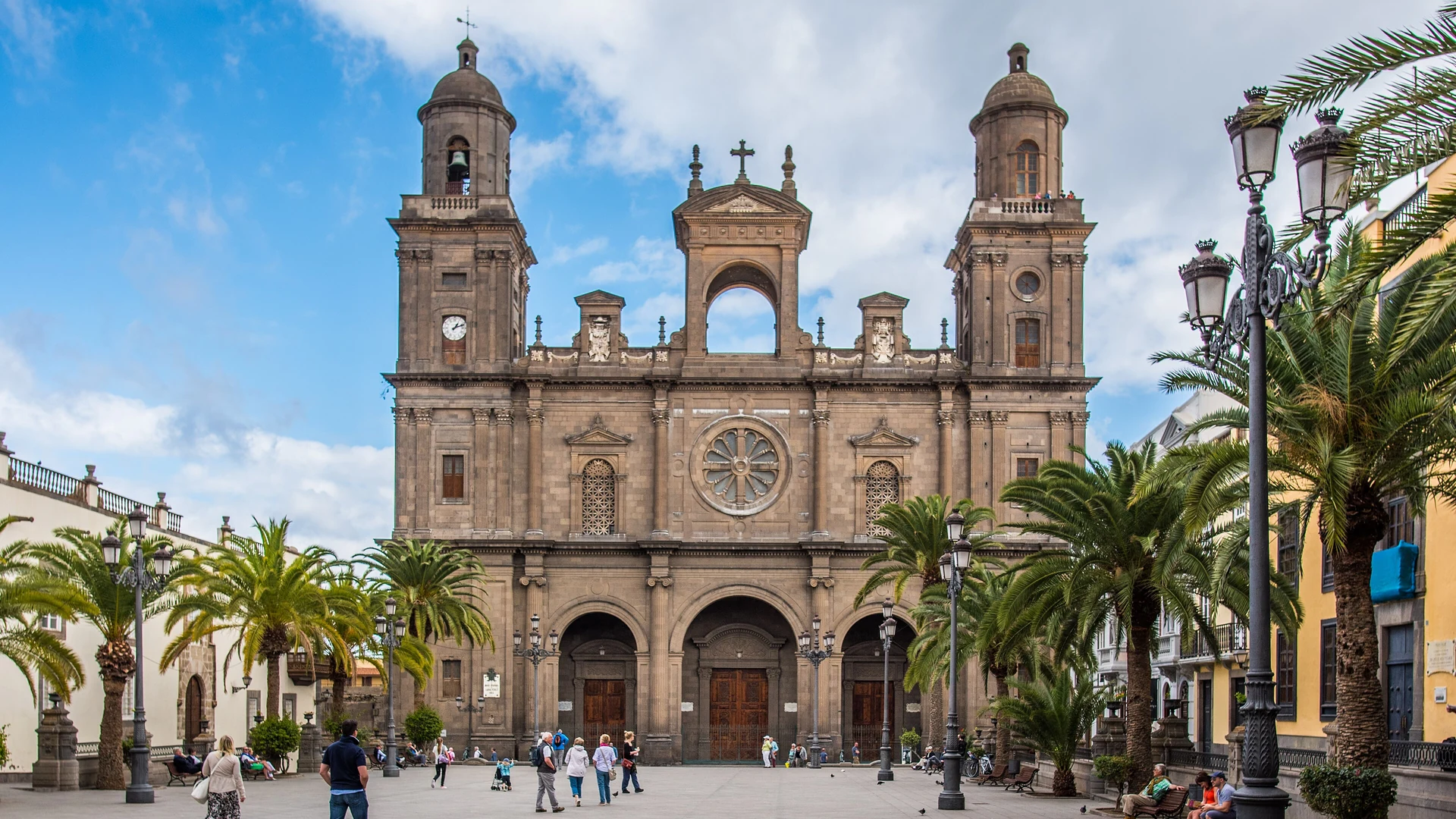
In Vegueta, the old quarter, the Catedral de Santa Ana, begun in 1497, and the Casa de Colón, where tradition says Columbus stayed in 1492, sit a few streets apart. Across town, Playa de las Canteras is a proper swimming beach in the middle of the city.
Families should add Poema del Mar, the city's aquarium, with around 350 species across 35 ecosystems. Our things to do in Las Palmas guide sets out opening hours, prices and how to split the day.
Taste bananas and rum on the north coast
The north is greener and cloudier than the resort coast, and it is where the island's farm produce comes from. Arucas, a short drive west of Las Palmas, has both a banana plantation you can tour and the Arehucas rum distillery.
Banana World in Arucas is a 40-minute plantation tour with a tasting, and you can simply turn up. From the south, a full-day tour adds the distillery, wine, coffee and a mojo workshop, with pickup from the resorts. Our banana, rum and coffee tour guide compares the two.
For a full day rather than one stop, our Teror, Arucas and Agaete guide adds a Sunday market, a basalt-stone church and natural pools to the same corner of the island.
Explore the south-west harbour towns
West of Maspalomas, the coast turns into cliffs and small sheltered bays, each with its own resort. Two are worth a day even if you are not staying there.
Puerto de Mogán is the harbour village with canals, a Friday market and a yellow submarine. The market runs every Friday from 09:00 to 14:00 and changes the whole feel of the village; our things to do in Puerto de Mogán guide explains whether to go on market day or avoid it.
Puerto Rico is the family bay next door, with a calm beach, a cliff walk to Amadores and the main boat harbour on this coast. Our things to do in Puerto Rico guide covers the ferry to Mogán and the nightlife that runs later than you would expect.
Get out on the water
The sea is the reason most people book the south, and the options split cleanly by what you want from the day.
| If you want | Book | From |
|---|---|---|
| Dolphins and whales | Wildlife cruise | Maspalomas, Puerto Rico |
| Lunch and a swim | Catamaran or yacht | Puerto Rico area |
| Fish at your feet | Snorkelling | Amadores, Mogán |
| Speed, or the view instead | Jet ski or parasailing | Puerto Rico |
Dolphins and short-finned pilot whales live off Gran Canaria all year, so there is no wrong month for a wildlife trip; the dolphin and whale watching guide covers the species and the harbours. For a lazier day, the catamaran cruise guide compares the lunch-led boats.
For sessions measured in minutes rather than hours, our jet ski guide and parasailing guide cover the two Puerto Rico options, and the scuba diving for beginners guide covers a first dive with no licence needed.
The best snorkelling in the south needs no booking at all: Playa de Amadores and the beach at Puerto de Mogán are calm, free entries. Our snorkelling guide explains where to get in, and the guided kayak trip into sea caves.
Pick a beach for the day you want
"Best beach" means different things here. Amadores and Anfi del Mar, in the south-west, sit behind breakwaters with calm water for small children. Maspalomas and Playa del Inglés are the long walking beaches. Las Canteras is the city swim, and Güigüí, on the wild west coast, has no facilities at all and takes a hike or a boat to reach.
Our best beaches in Gran Canaria guide matches each beach to the kind of day it suits, including the east-coast spot that is for windsurfers, not swimmers.
Things to do in Gran Canaria with children
The south is well set up for families. Aqualand Maspalomas, the island's largest water park, has more than 40 slides, and Palmitos Park, a zoo in the hills above Maspalomas, is home to around 1,500 exotic birds. Lago Taurito in Mogán is the smaller, gentler water park, and Poema del Mar in Las Palmas is the rainy-day answer.
Our Gran Canaria with kids guide compares the parks, the calmest beaches and where to base a young family.
How to fit Gran Canaria into a week
From a southern base, a week that covers the island without rushing looks like this:
- Day 1: the Maspalomas dunes early, the beach in the afternoon
- Day 2: a boat day from Puerto Rico, wildlife or lunch-led
- Day 3: Roque Nublo and Pico de las Nieves, by car or on a guided tour
- Day 4: Puerto de Mogán, ideally on a Friday for the market
- Day 5: Las Palmas, with Vegueta in the morning and Las Canteras after lunch
- Days 6–7: the pool, a water park, or a morning on horseback
Check the forecast before the mountain day. The north of the island is greener and cloudier than the southern coast, often on the same afternoon, and our Gran Canaria weather by month guide explains the pattern.
For one evening, book ahead: our dinner show guide covers the island's biggest show. If the water days aren't adventure enough, our canyoning guide adds waterfalls and abseiling near Telde.
Three days rather than a week? Our 3-day itinerary sets out what fits and what to cut. For a ranked shortlist of what to book first, see our best excursions guide.
FAQ – things to do in Gran Canaria
Featured image: Tamara k / Wikimedia Commons / CC BY-SA 3.0 es